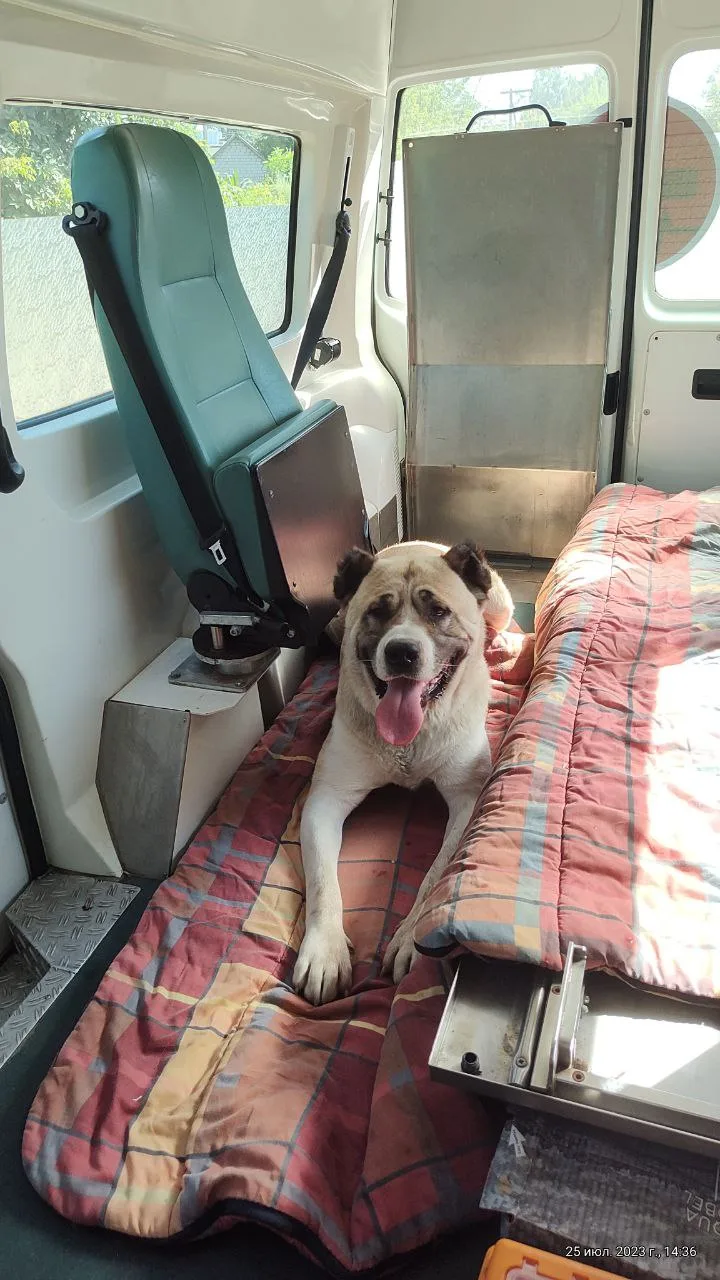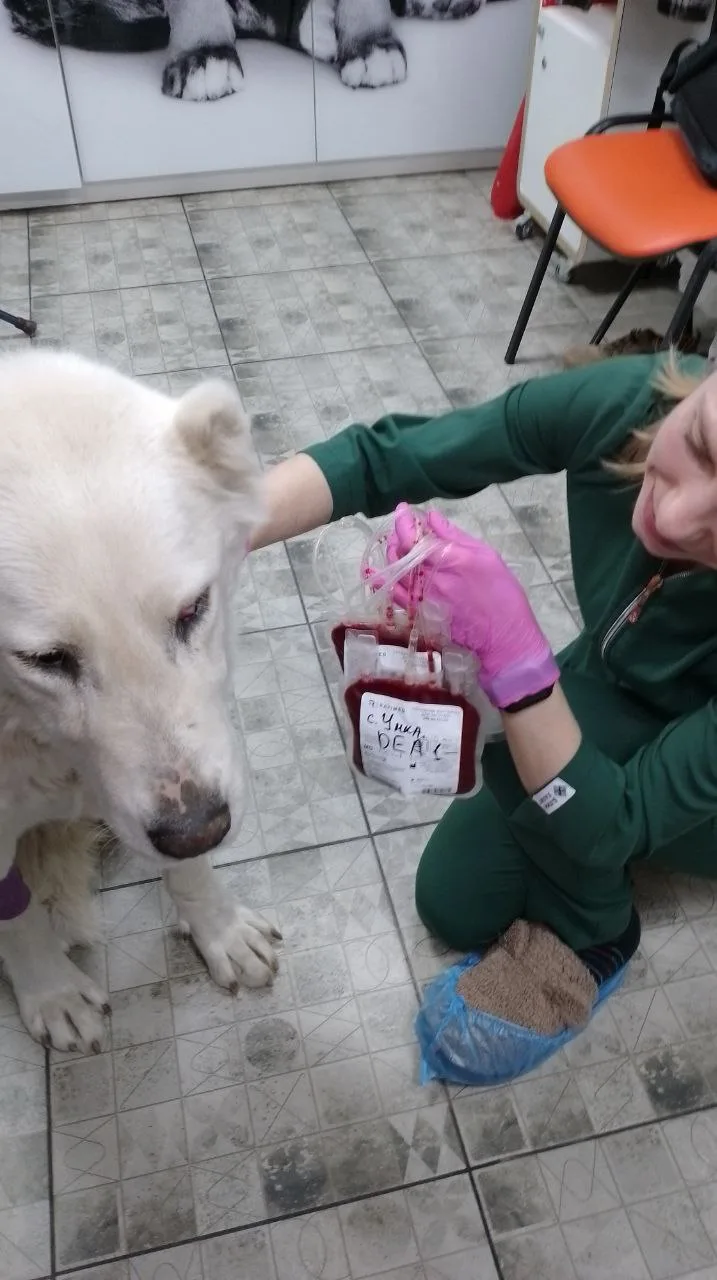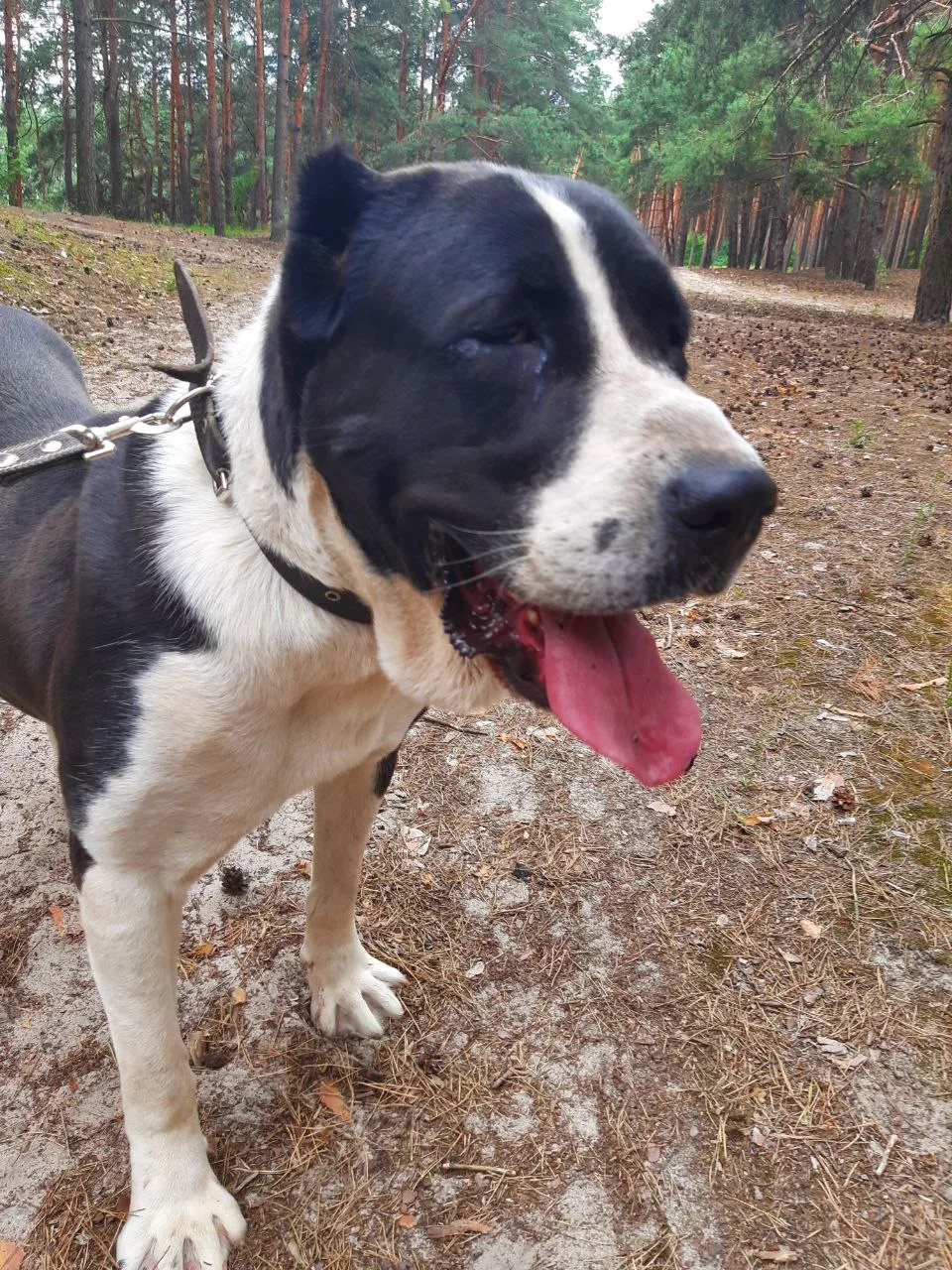

Rehabilitating giant dogs after evacuation
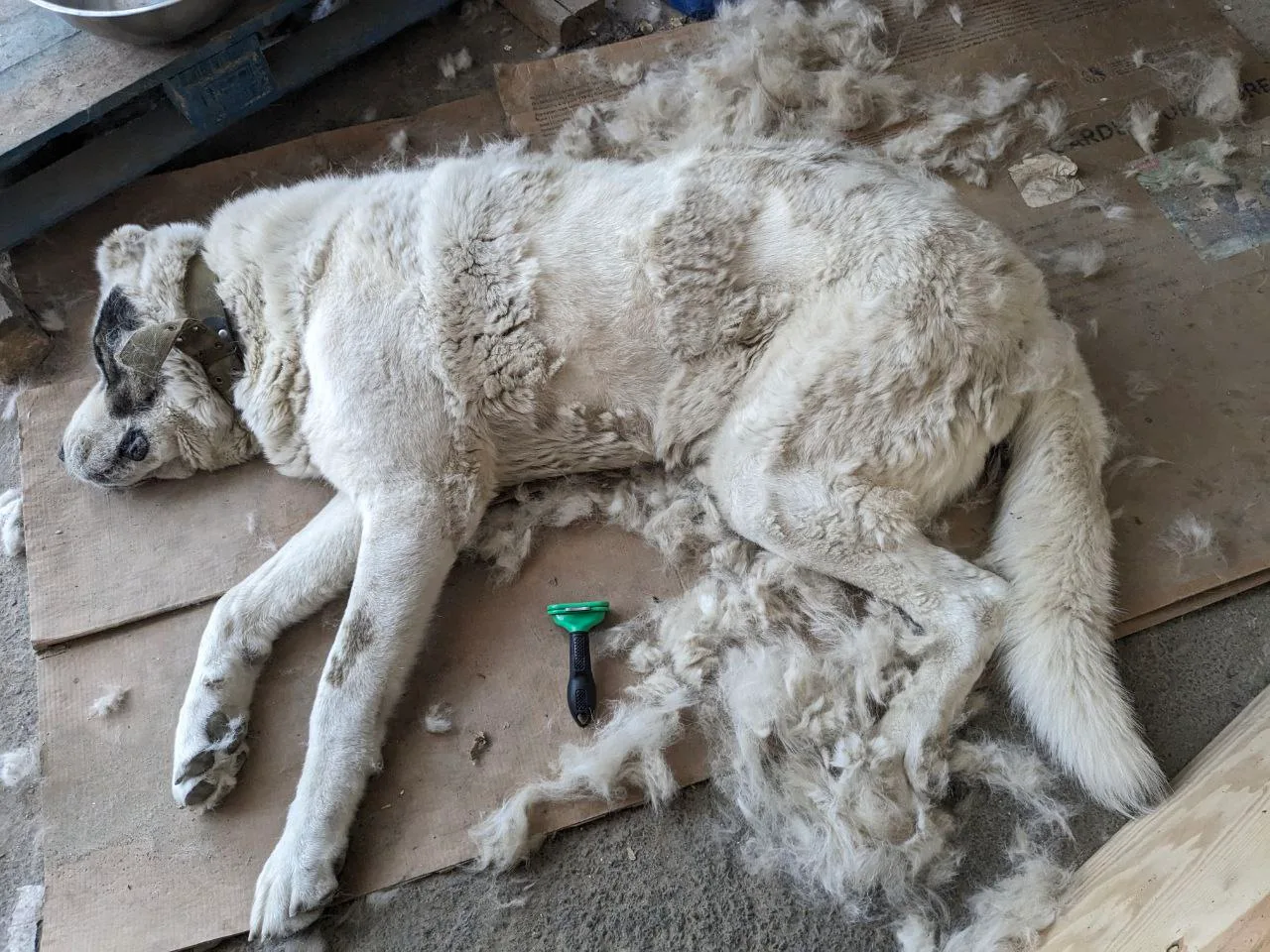
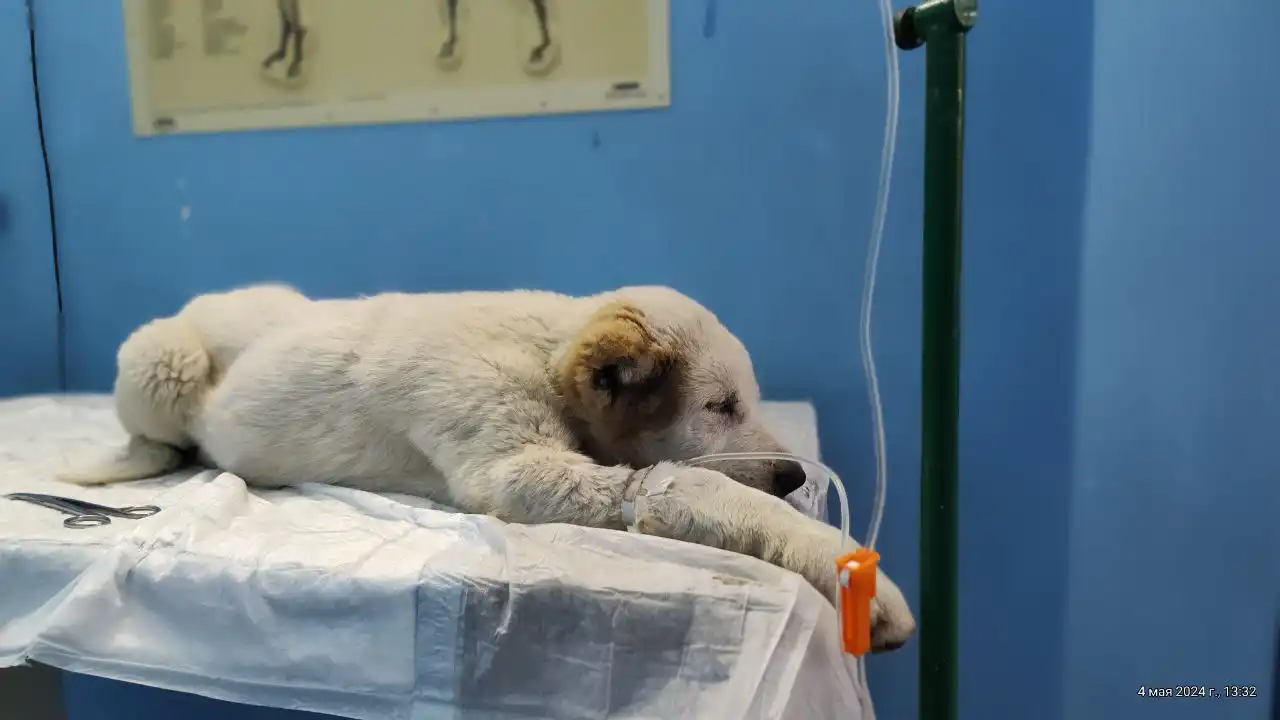
Rehabilitating giant dogs rescued from combat zones is a long and difficult process: these animals need specialized care, need society's prejudice overcome, and require enormous resources to maintain. Here are the main reasons why this matters so much: 1. Stereotypes and prejudice -The "fighting dog" myth: Alabais and wolfhounds are often feared. Society, and even some shelters, mistakenly consider them aggressive. -Difficulty finding a new home: Because of their size, such dogs spend a long time in temporary shelters. Rescuing them breaks the myth that large guard breeds are incapable of adapting and loving again after the horror of war. 2. Enormous resources required for upkeep -Food volume: Giant dogs need dozens of kilograms of expensive food every month. -Medical care: Treating concussions, joint problems, or surgery after shrapnel wounds is very expensive. Volunteer organizations are often financially drained rescuing these animals. 3. Deep psychological trauma -Concussion and shock: Explosions deal a terrible blow to these animals' enormous nervous systems. The dogs can fall into panic or complete apathy. -Loss of an owner: Wolfhounds and Alabais are deeply attached to their territory and person. After losing their home and being separated, they need long-term canine rehabilitation. 4. Humanity and the value of every life War makes no distinction between a small lapdog and a giant mastiff. Rescuing giant dogs shows the level of humanity of a society that doesn't abandon those who depended on people the most and suffered the most from the war.